Sharing Sri Lankan culture and creating opportunities to connect
We are planning a welcoming space where people from all backgrounds can learn, create, experience Sri Lankan culture and contribute to community life.
The proposed Mahamevnawa Multicultural Community Hub at Salisbury Plain would bring language learning and cultural experiences together with a public library, community gatherings, practical support and opportunities for mental wellbeing. It would offer new arrivals a place to connect, women opportunities to share skills, and children and families room to learn and participate.
Proposed development, subject to funding, relevant approvals and final design.
Our aim is to share Sri Lankan heritage, offer practical support to people who need it, and help people participate in Australian community life. We want local residents to experience our culture and contribute their own skills and ideas.
Our cultural and community programs would welcome everyone, including people of all faiths and no religious affiliation. Through social media and wider community publicity, we intend to invite people beyond our existing networks to take part and build friendships across backgrounds.
Why a permanent home matters
Limited financial resources and suitable space have restricted the outreach and support we can offer. Our Sinhala School and other cultural events and activities currently use an external hired hall. Limited space also restricts how widely we can invite people to participate.
A dedicated hub would provide a place for people to meet and find support, women to share skills and children to learn. Shared facilities would allow us to develop programs gradually as community needs, volunteers and resources allow.
BUILDING ON EXISTING WORK
What we do today
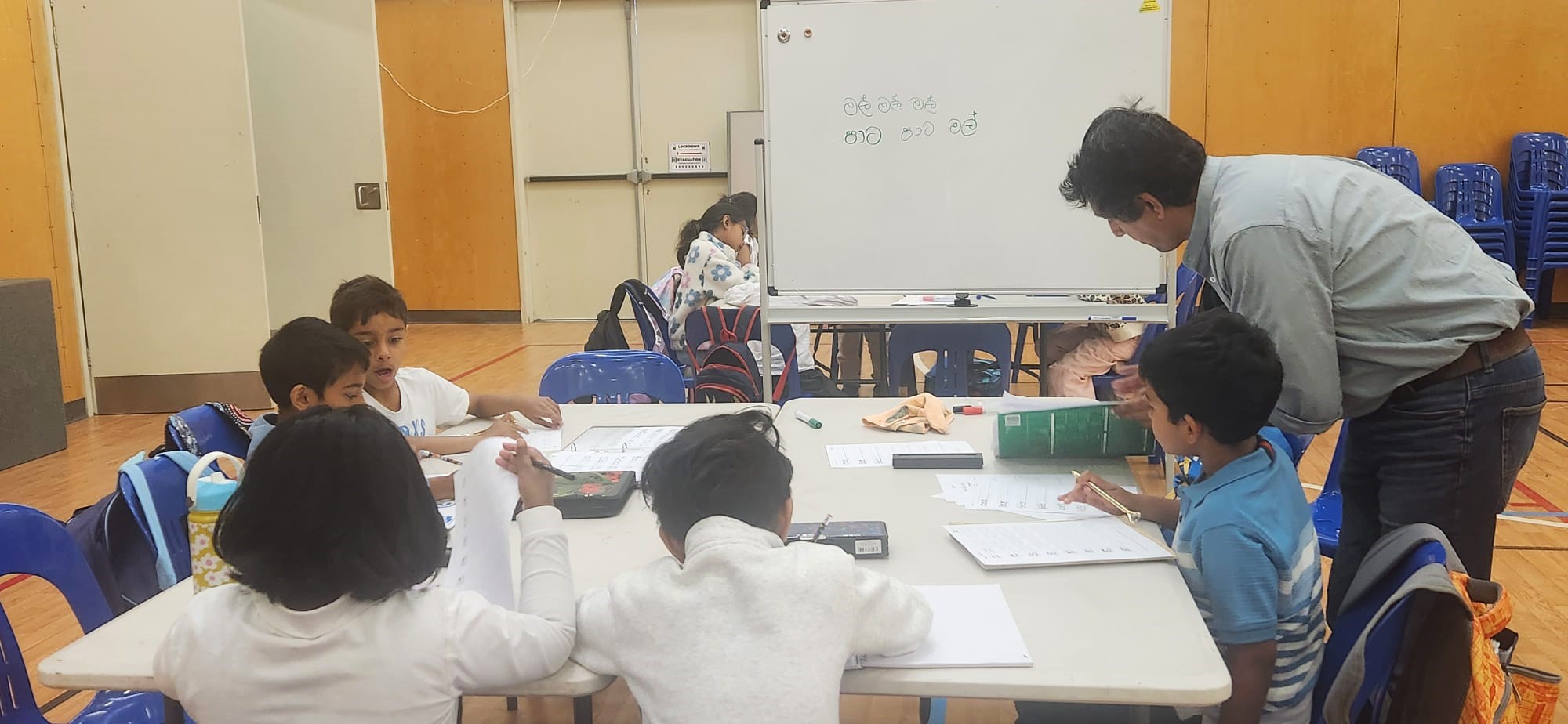
Through our community networks, we offer initial guidance and referrals to people seeking support. Our sewing and flower arrangement sessions bring together women from Sri Lankan, Nepali and Indian backgrounds. We also operate Mahamevnawa Sinhala School, teaching children Sinhala language and Sri Lankan cultural heritage free of charge.
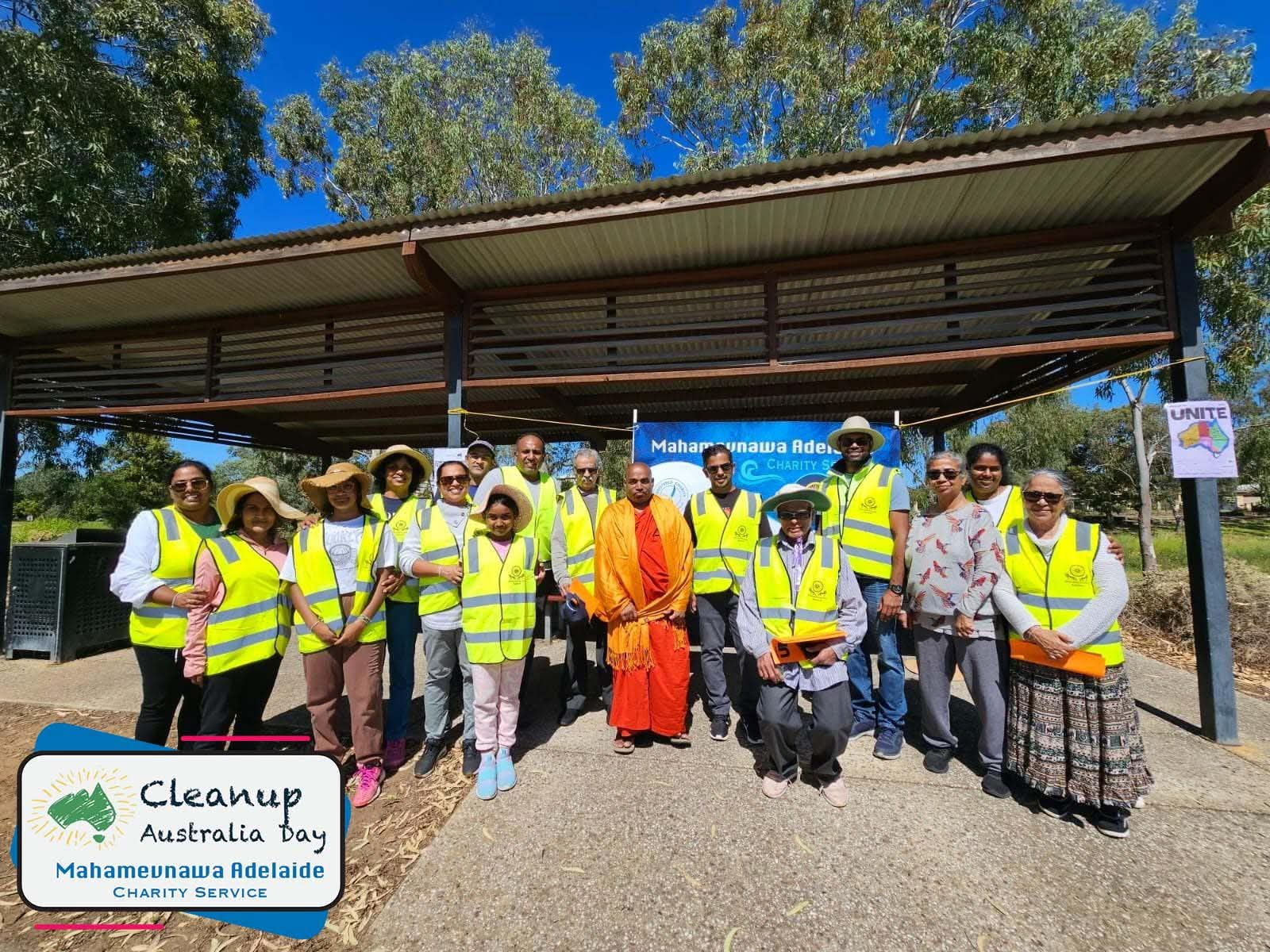
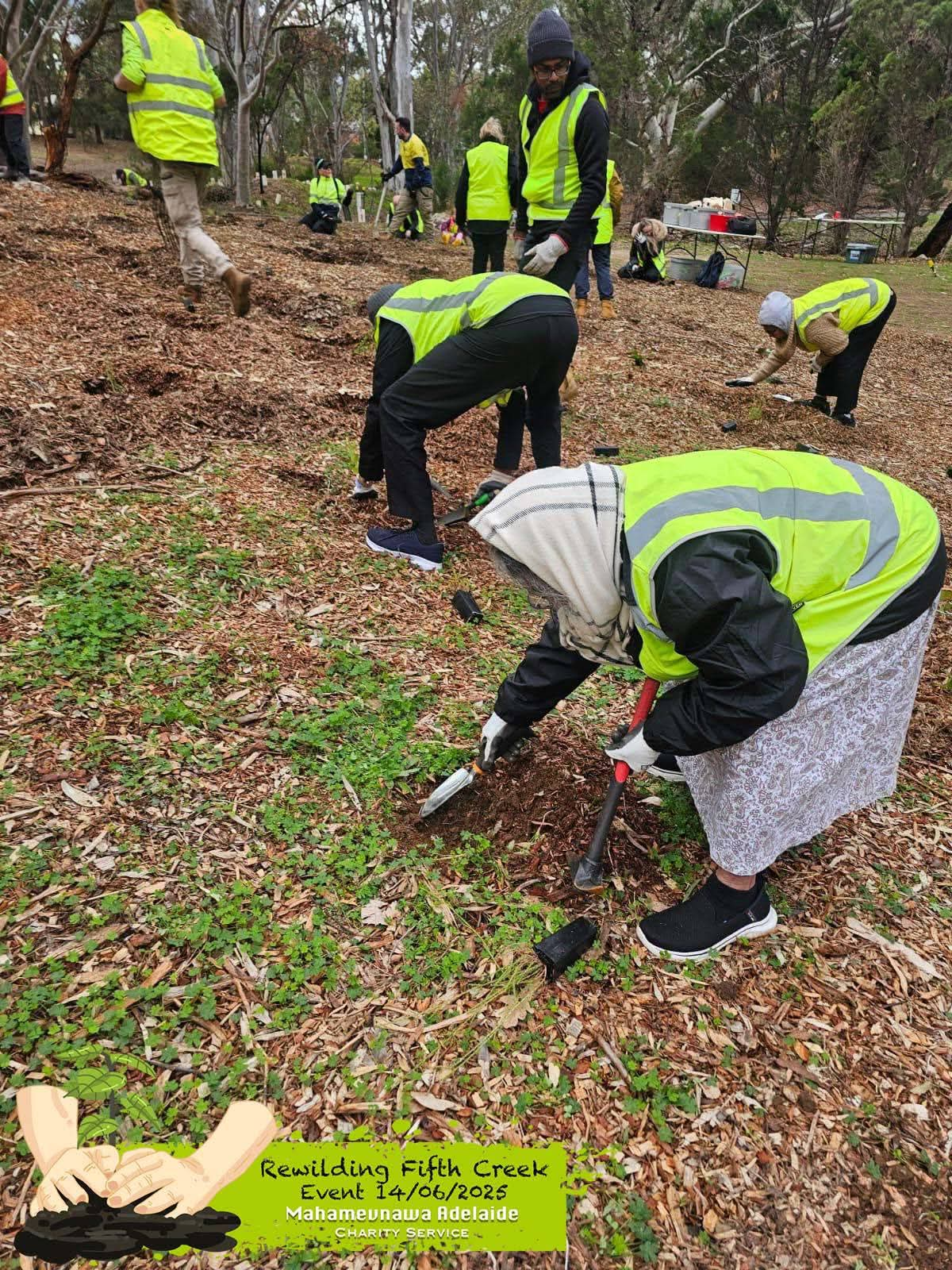
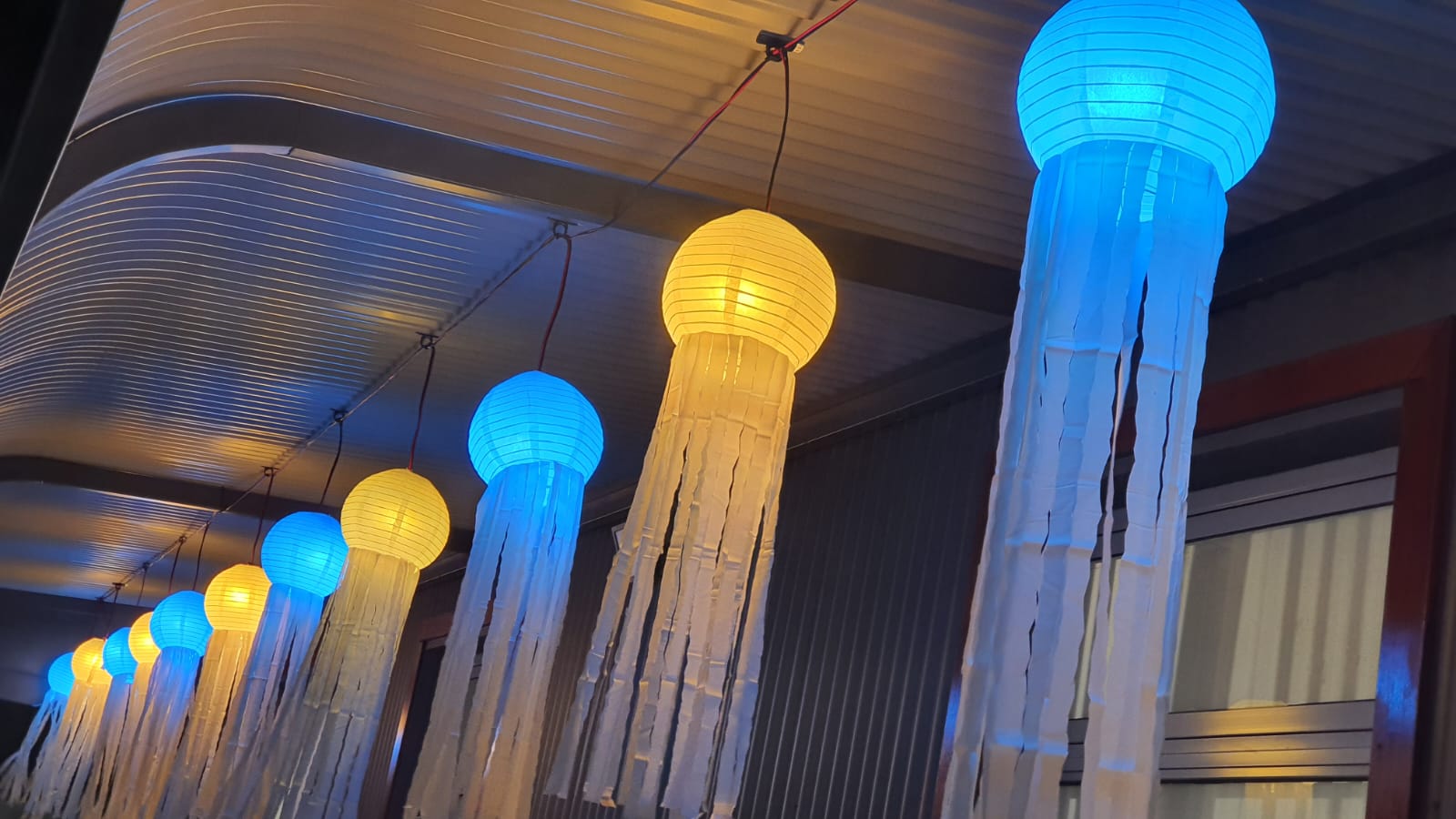
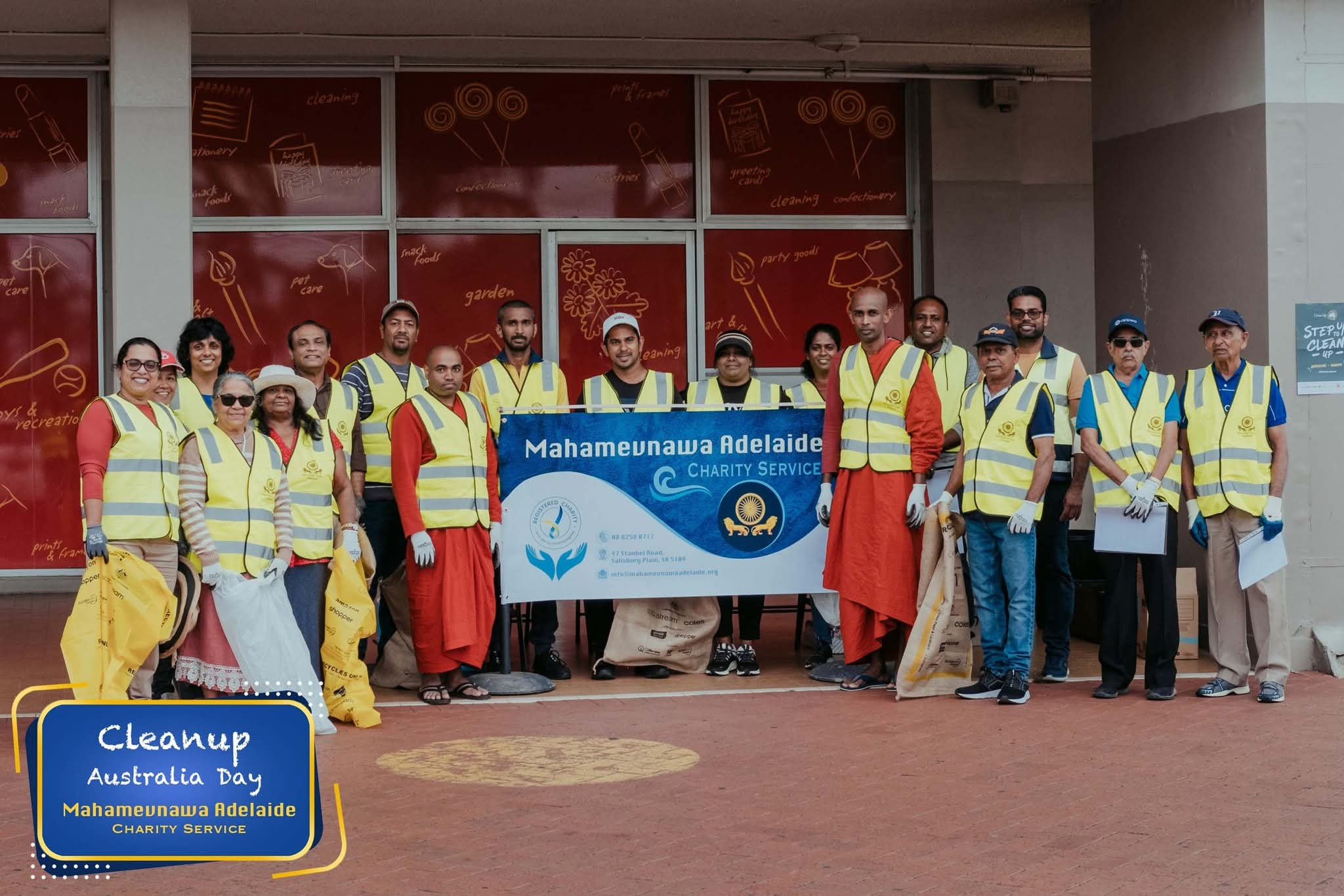
Our activities include meditation for stress relief, lantern festivals, arts and crafts, youth programs and gardening. We also take part in environmental cleanups and tree planting with conservation volunteers. The Hub would give us room to build on this work and welcome more participants.
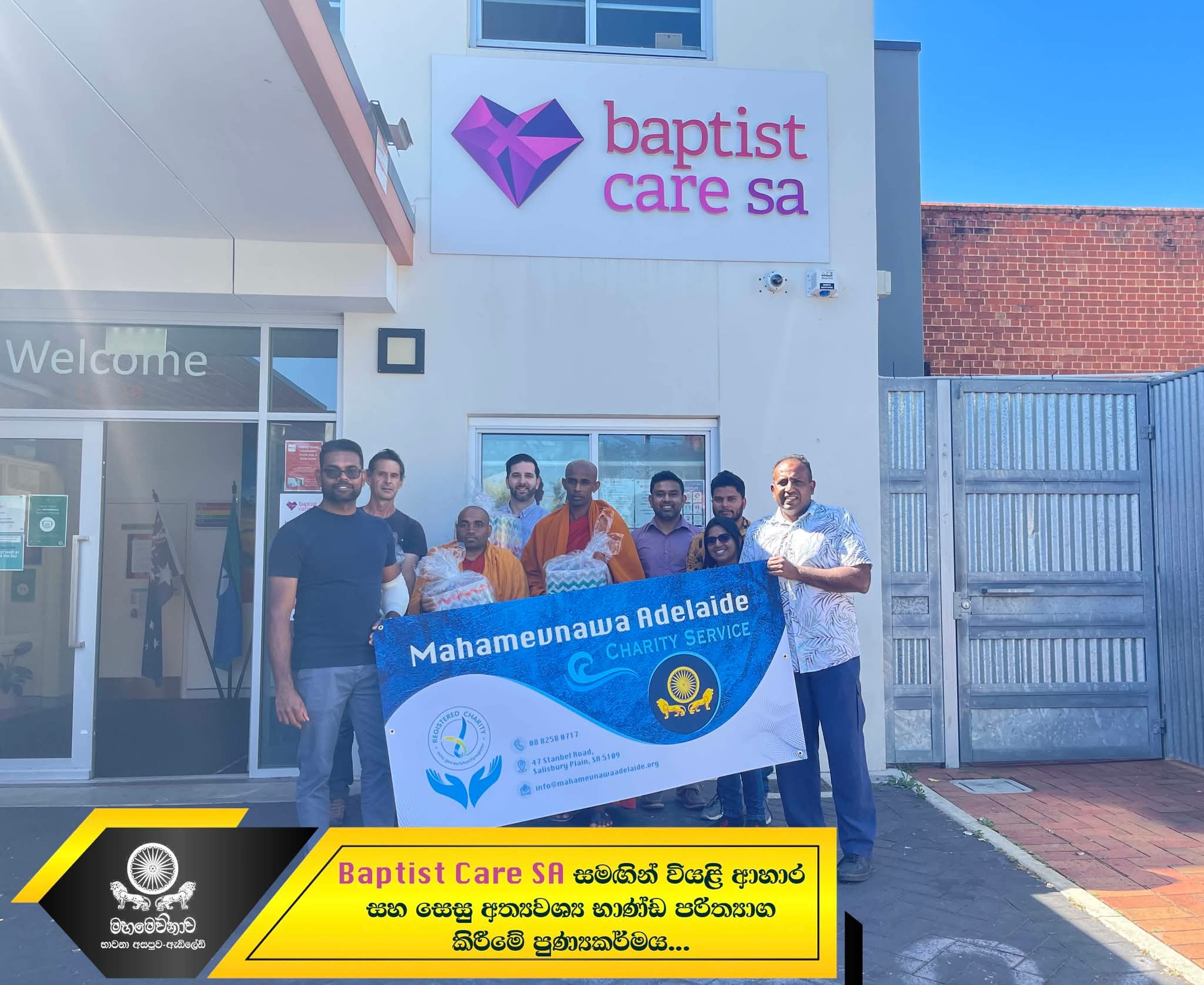
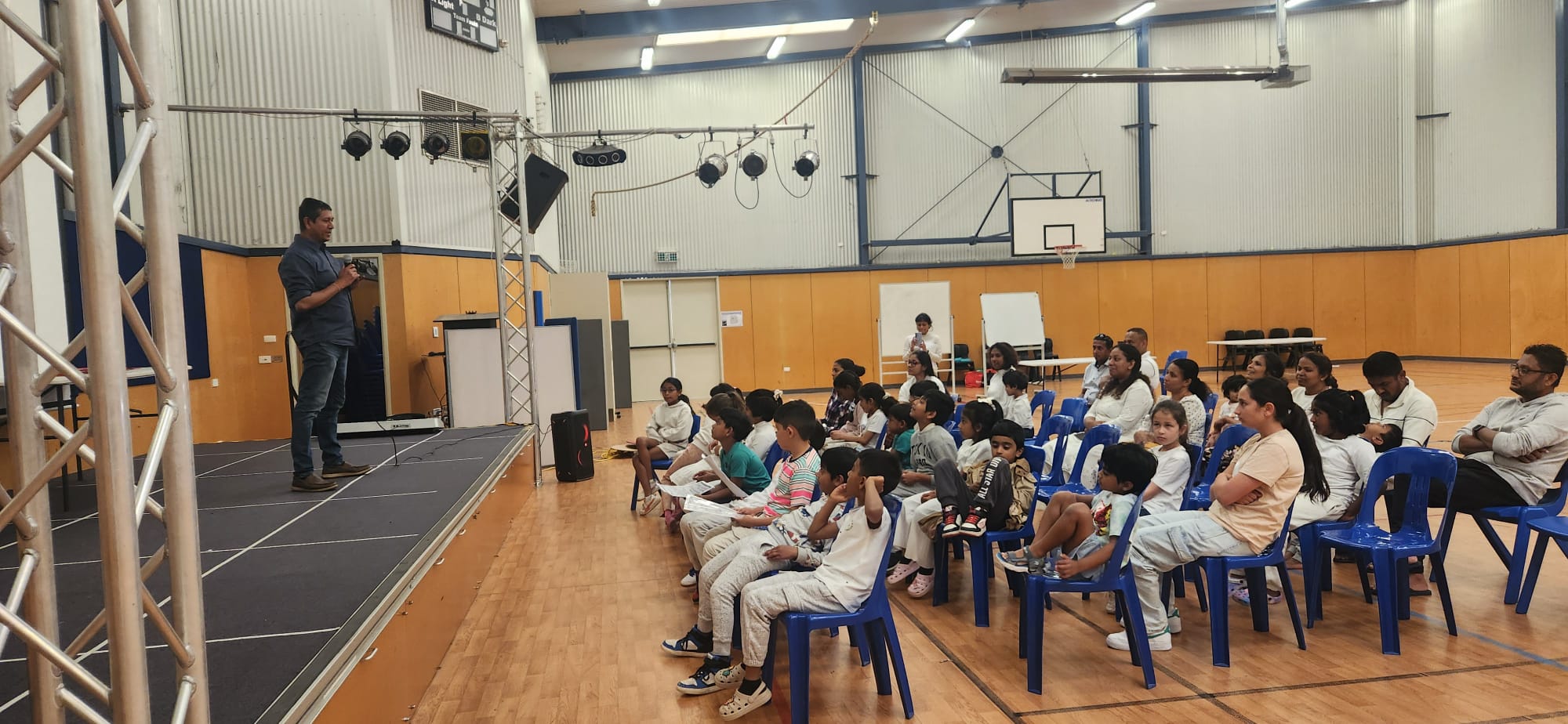
Our Sinhala School classes currently meet in the hired hall at Salisbury Downs Primary School. Our community charity work also includes collecting and donating essential items through an activity with Baptist Care SA.
MBMA’s community donation activity with Baptist Care SA.
WELCOME AND PRACTICAL SUPPORT
Finding your feet and feeling at home
Starting life in a new place can be difficult when familiar networks and information are missing. We propose a welcoming point of contact for new migrants and families, including people who have limited local connections or are unfamiliar with Australian services.
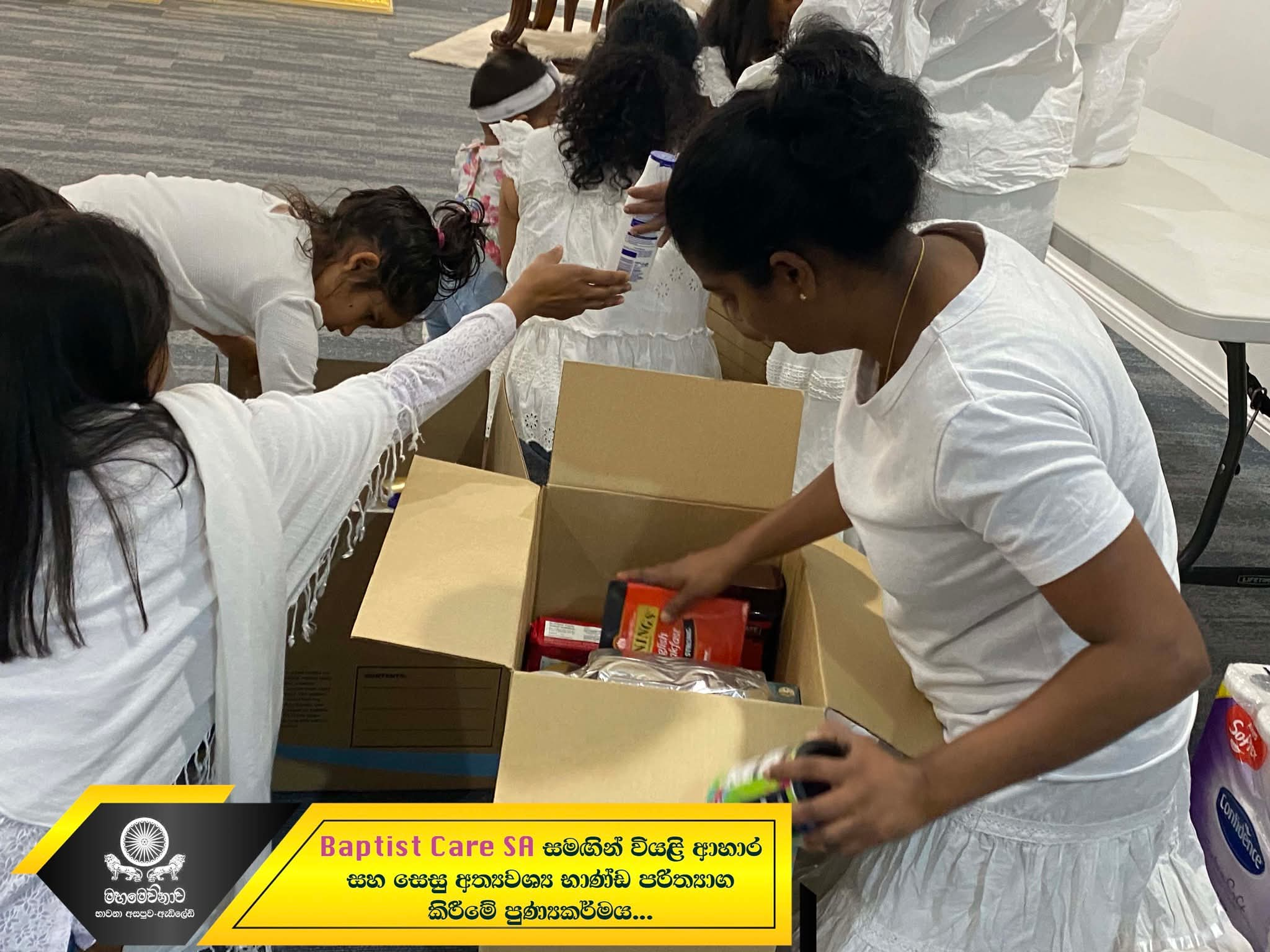
Preparing donated essential items for the community donation activity with Baptist Care SA.
The Hub would offer opportunities to meet others, ask practical questions and find reliable information. With support from volunteers and professionals in our community, proposed activities include:
General information and referrals to official services for matters such as vehicle registration, driver licensing, opening a bank account, Medicare and tax file numbers, where relevant to the person’s circumstances.
Help finding accommodation information and connections to employment resources and community networks.
Volunteer airport pickups where arrangements and volunteer capacity allow.
A proposed New Community Member Aid Pack with groceries, clothing and essential household items for individuals and families in need, supported by donations and available resources.
Welcome gatherings and planned weekend lunches or dinners, with tea, coffee and refreshments during community activities.
Our role would be to help people find the right information and connect with relevant agencies or qualified professionals. We want new arrivals to build friendships, gain confidence navigating everyday life and find ways to contribute to their local community.
SKILLS, FRIENDSHIPS AND PARTICIPATION
Women sharing skills and building friendships
Our existing sewing and flower arrangement activities provide a starting point for a broader program shaped by women from different cultural backgrounds. A dedicated space would make it easier to meet regularly, share skills and welcome women who are new to the area or have few local connections.
We propose to continue these activities and introduce knitting and other practical sessions based on participants’ interests. Women would be invited to suggest activities, lead sessions and share their experience. Gardening, cultural events and voluntary wellbeing sessions would offer further ways to take part.
We aim to reduce isolation, strengthen friendships and create opportunities for women to contribute to community life. Women seeking further support could access initial guidance and referrals to appropriate services through our community networks.
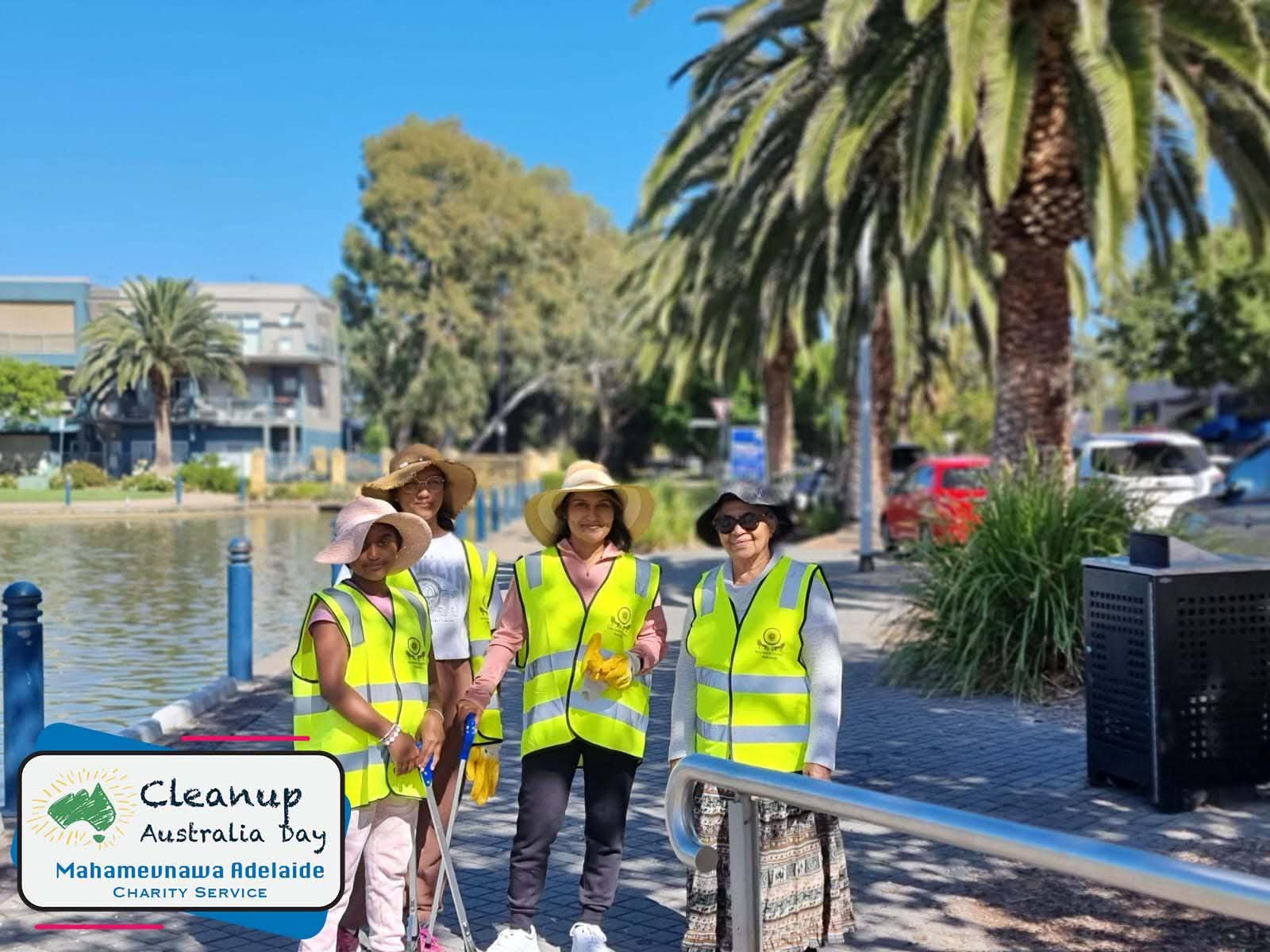
Women contributing to MBMA’s community cleanup activities.
LANGUAGE AND THE NEXT GENERATION
Sinhala learning and opportunities for young people
Mahamevnawa Sinhala School gives children an opportunity to learn Sinhala and explore Sri Lankan heritage while growing up in Australia. Our free classes help children connect with their family language and culture and learn alongside other children and families. The proposed Hub would provide a permanent home for the School, supported by reading, storytelling and learning resources.
Learning together at Mahamevnawa Sinhala School in the hired hall at Salisbury Downs Primary School.
We would like to build on this foundation through a broader language school program that continues Sinhala education and introduces Pali language learning. A dedicated area for Pali study and research, supported by the proposed library, would also welcome people interested in ancient languages, historical texts and cultural heritage.
Beyond language learning, children and young people could participate in painting, lantern making, performing arts and gardening. Activities would encourage creativity, friendships and opportunities to learn from older generations and share their culture with others.
Age appropriate mindfulness activities could help children practise attention, recognise feelings and explore kindness. Children’s activities would include suitable supervision and parent or carer consent. Families would be invited to contribute ideas as the program develops.
OPEN TO EVERYONE
Shared activities for the wider community
Growing together and caring for nature
We propose a community garden where new arrivals, women, children and other local residents could grow plants, share knowledge and work together. Building on our environmental activities, we would also explore further cleanup days and tree planting with conservation volunteers. These activities would offer time outdoors, connections with neighbours and opportunities to care for Australian flora and fauna.
MBMA volunteers taking part in environmental conservation work.
A quiet space for mental wellbeing
Meditation has longstanding roots in Sri Lankan cultural heritage. We value the opportunity it offers to pause, reflect and develop a calmer awareness of everyday life, and we would like to share this part of our heritage with the wider Australian community.
At the Hub, we propose secular mindfulness and meditation sessions focused on mental wellbeing. People from every walk of life and cultural background would be welcome, whether they have a faith or no religious affiliation. Taking part would involve no religious teaching, worship, ritual or obligation to adopt a belief.
Our aim is to provide a calm, quiet setting where people can step away from everyday pressures and explore practical approaches to relaxation, attention and self-awareness. Voluntary sessions could include introductory guided meditation and mindful breathing for adults, reflection and self-care for women, and age appropriate attention, emotional awareness and kindness activities for children.
There would also be space for personal reflection, meaning and purpose, and connection with others. Sessions would be intended to support general wellbeing; people needing specialist mental health support would be directed to appropriate services.
Experiencing and sharing Sri Lankan culture
Our proposed auditorium and shared spaces would welcome the wider community to enjoy and participate in Sri Lankan culture. Planned activities include drama, singing and dance, including the Wes dance tradition; painting and Sri Lankan mural art; lantern making; and cultural exhibitions and performances.
Lantern and light showcases, Sri Lankan New Year celebrations and shared events would create opportunities to experience our traditions together. We would invite local groups to contribute ideas and explore activities that encourage cultural exchange.
We also want to explore the similarities and distinctive traditions of Sri Lankan, Indian, Bangladeshi and Nepalese communities. Through shared arts, stories, language, food traditions and celebrations, participants could discover connections while appreciating what makes each culture distinctive.
We would welcome people from these communities to help shape and present activities, share their own experiences and learn from one another. Our aim is to bring neighbours together, build relationships across cultures and contribute to community life in Australia.
Lantern displays at an MBMA lantern festival.
LANGUAGE AND CULTURAL HERITAGE
Books and learning for everyone
We propose a public library and learning space with books and magazines in Sinhala, English, Pali, Hindi and Tamil, together with resources on Sri Lankan and wider South Asian history, literature and culture. Public book lending, reference materials and study resources would support families, students and anyone interested in learning about these subjects.
The collection would serve language learning, cultural understanding and independent study. People would be welcome to use it without religious affiliation or participation. Any historical works with religious content would be explored in their cultural and historical context as part of an educational collection.
Pali and our shared language heritage
Pali is an ancient language of the Indian subcontinent, classified as Middle Indo-Aryan. In traditional accounts it has been associated with Magadhi, the language of ancient Magadha in India, although modern linguistic scholarship distinguishes Pali from the recorded Magadhi dialect.
Studying Pali can help us explore its relationship with Sanskrit and the wider Indo-Aryan heritage shared with modern languages such as Sinhala, Hindi, Bengali and Nepali. The aim is to discover linguistic connections and cultural exchange while respecting the distinct histories of South Asia’s many languages.
Pali also preserves important historical literature about Sri Lanka, including the Mahavamsa, the Great Chronicle of Sri Lanka. The Mahavamsa entered UNESCO’s Memory of the World International Register in 2023.
We propose introductory Pali language learning and a dedicated study and research area with dictionaries, grammars, original texts and translations. Activities would focus on vocabulary, reading and the historical settings in which texts were written, helping preserve access to this heritage for future generations.
The program would be educational and open to anyone interested in language, history or heritage. It would involve no religious instruction or requirement to practise a religion. Texts would be studied in context, including their religious perspectives where relevant.
OUR COMMUNITY IN ACTION
Learning, celebrating and lending a hand
A selection of photographs from our Sinhala School, lantern festival and community service activities. These show our community’s existing work as we plan a permanent home for the Hub.
Children and families attending a Sinhala School session in the hired hall at Salisbury Downs Primary School.
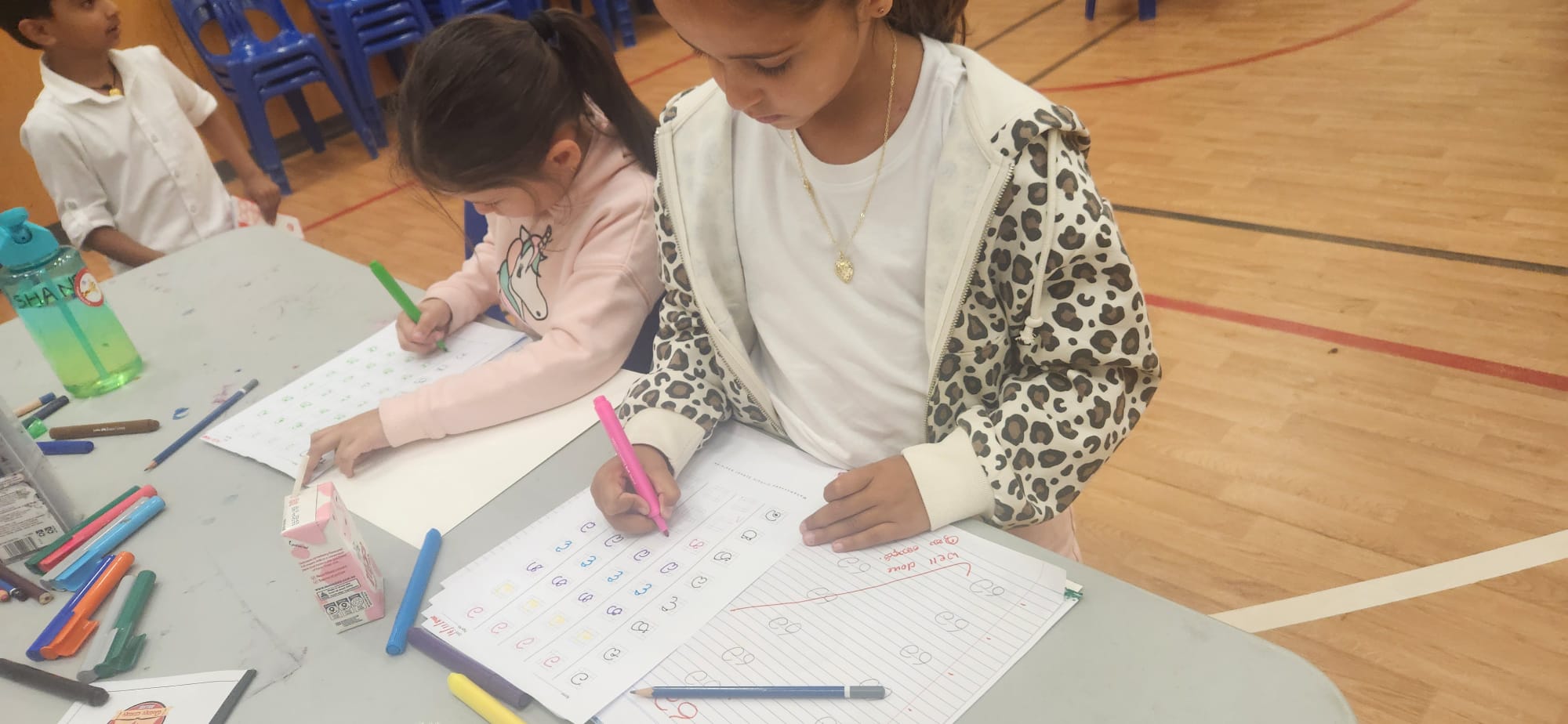
Children practising Sinhala writing during a School activity.
Children and families taking part in the lantern festival.
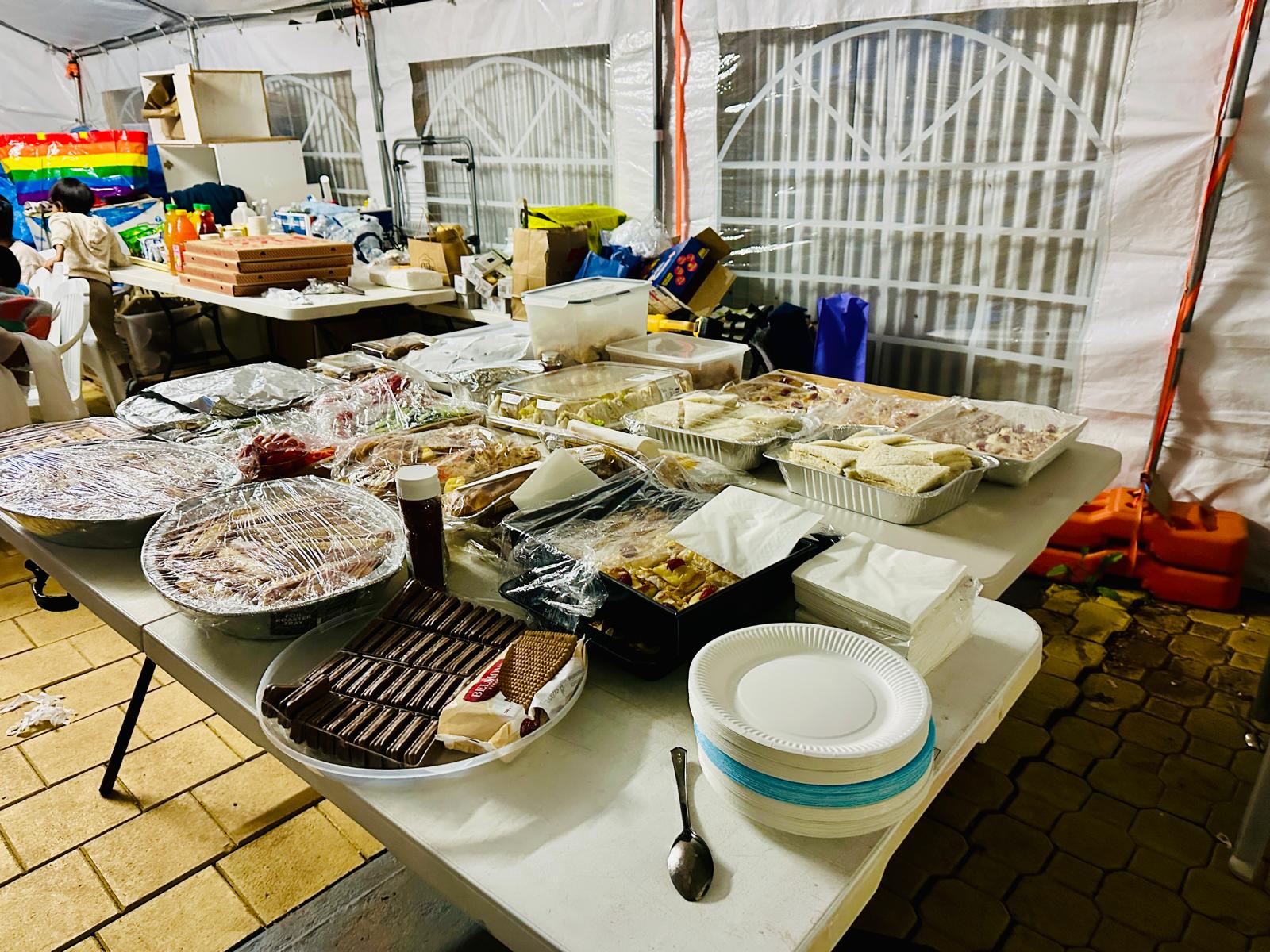
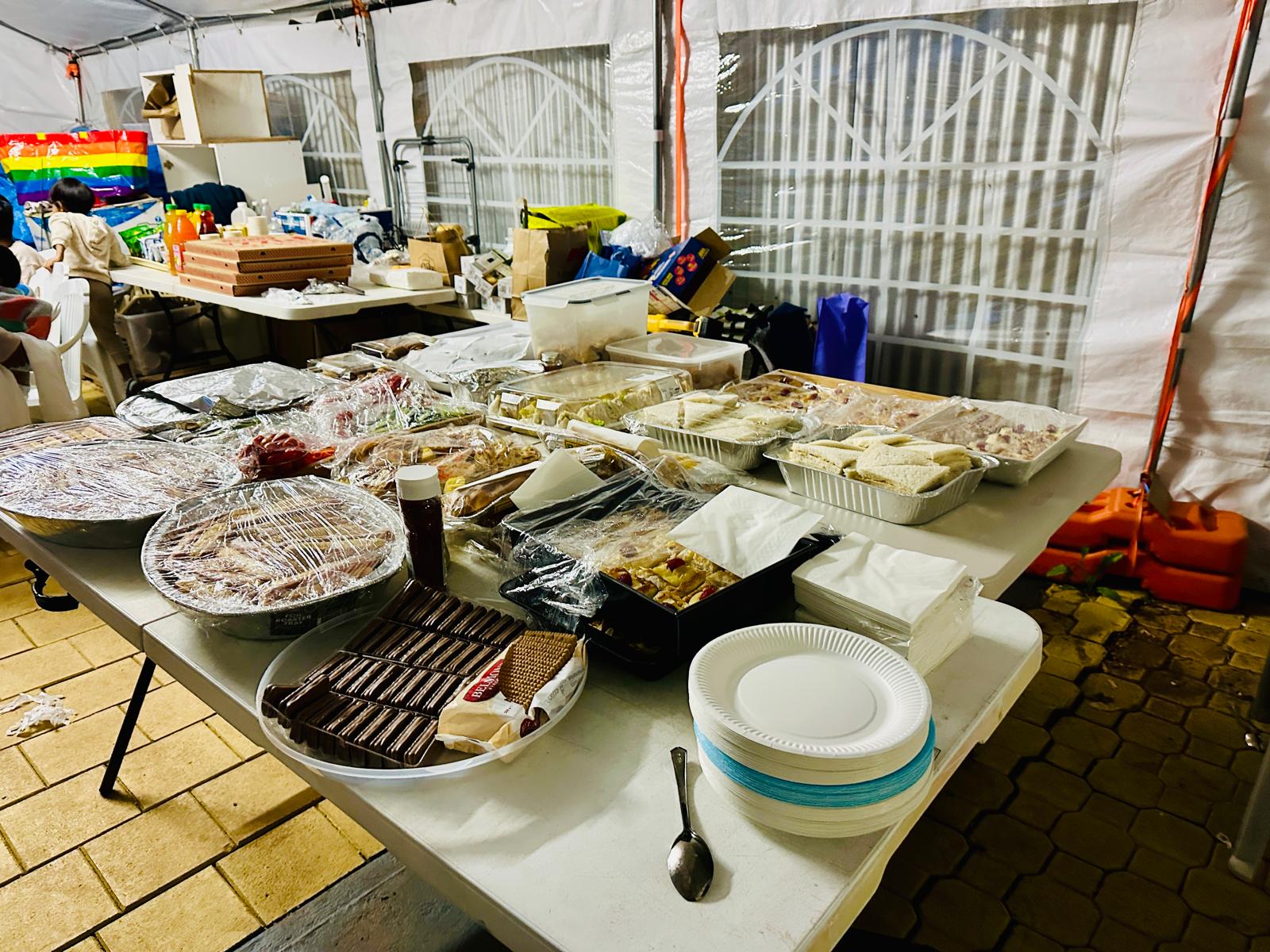
Food prepared for sharing during the lantern festival.
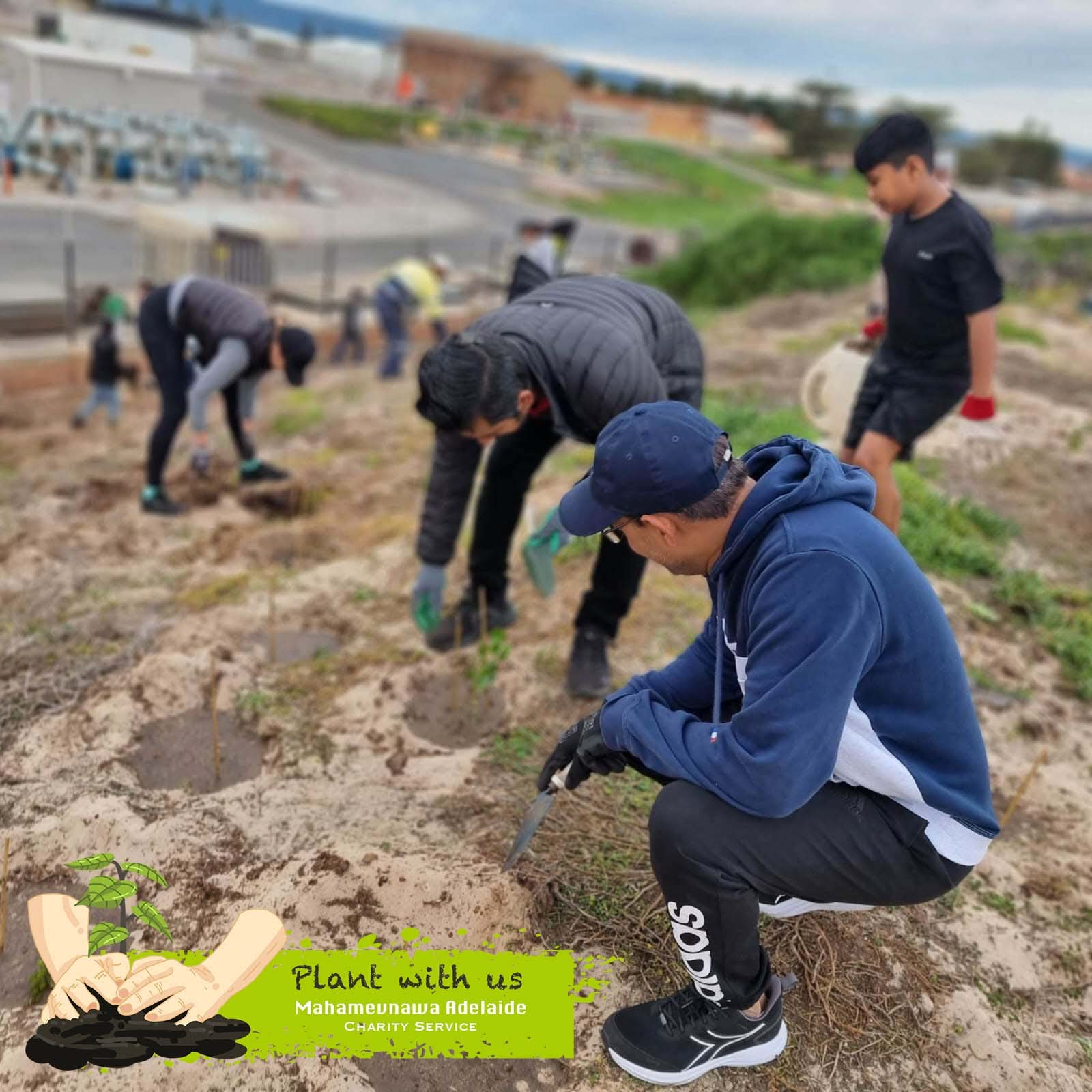
Volunteers taking part in a community planting activity.
MBMA community volunteers at a cleanup activity.
THE PROPOSED SPACE
A building that makes participation possible
The proposed Hub would be developed at 47 Stanbel Road, Salisbury Plain. The current concept includes a multipurpose hall and auditorium, a library and learning space, a kitchen, dining space, toilets and accessible amenities.
These shared facilities would support welcome gatherings, activities for women, the Sinhala School and proposed wider language learning, cultural performances and community programs. The final layout, capacity and facilities will depend on the approved design and available funding. Program details and schedules would develop as the project progresses.
47 Stanbel Road
Salisbury Plain, South Australia
TAKE PART IN THE PROJECT
Help shape the Hub
We invite new arrivals, women, families, local residents and community groups to help shape the project. Tell us which activities would be useful, what would help you participate and how you might contribute.
If you are interested in volunteering, teaching, sharing cultural skills, contributing donated essentials or discussing a possible partnership, we would welcome your enquiry.